
COLLIDE Series 26
Friday, July 31 - Saturday, August 1
Gezon Auditorium in Grand Rapids, MI
Our 2026-2027 season starts with a BANG — welcome to Deos Ballet’s largest production of the year, COLLIDE! Featuring a double bill of exciting female choreographers, our signature summer series returns to Grand Rapids. Elite professional dancers from across the country, a swarm of aspiring professional dancers, and our year-round company dancers join forces for one dynamic performance weekend.
General Information
Performances
Friday, July 31 at 7pm
Saturday, August 1 at 2pm
Saturday, August 1 at 7pm
Location
Gezon Auditorium at Calvin University
Spoelhof University Center
1820 Knollcrest Circle Southeast
Grand Rapids, MI 49546
The Gezon Auditorium is located adjacent to the main entrance of the Spoelhof University Center, near the Admissions office and Spoelhof atrium. Enter on the southwest side of the Spoelhof Center, by the flagpole. Once inside, turn right to enter the Gezon Auditorium lobby.
Tickets
$45 General Admission
Need assistance? Contact Isabelle Ramey at isabelle.ramey@deosballet.com to discuss ticketing.
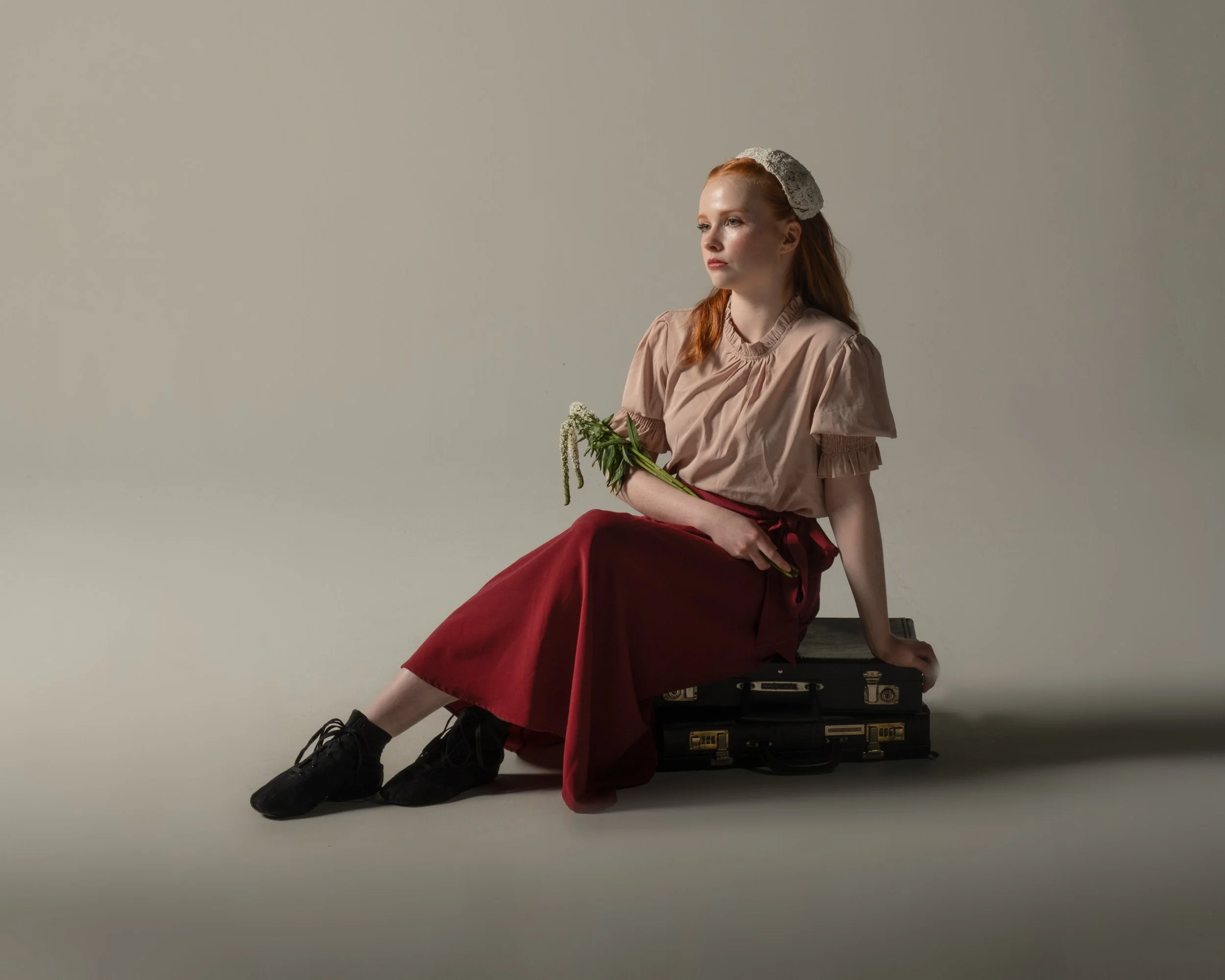
People We Meet on the Train. Dancer: Bronwyn Smith. Photo by Dave Burgess
“Artistic Director Tess Sinke’s vision, not only told the story of our times, but gave the audience the experience of how to move through it. This is the power of dance as art, and Deos Contemporary Ballet has achieved it elegantly.”
What You’ll See
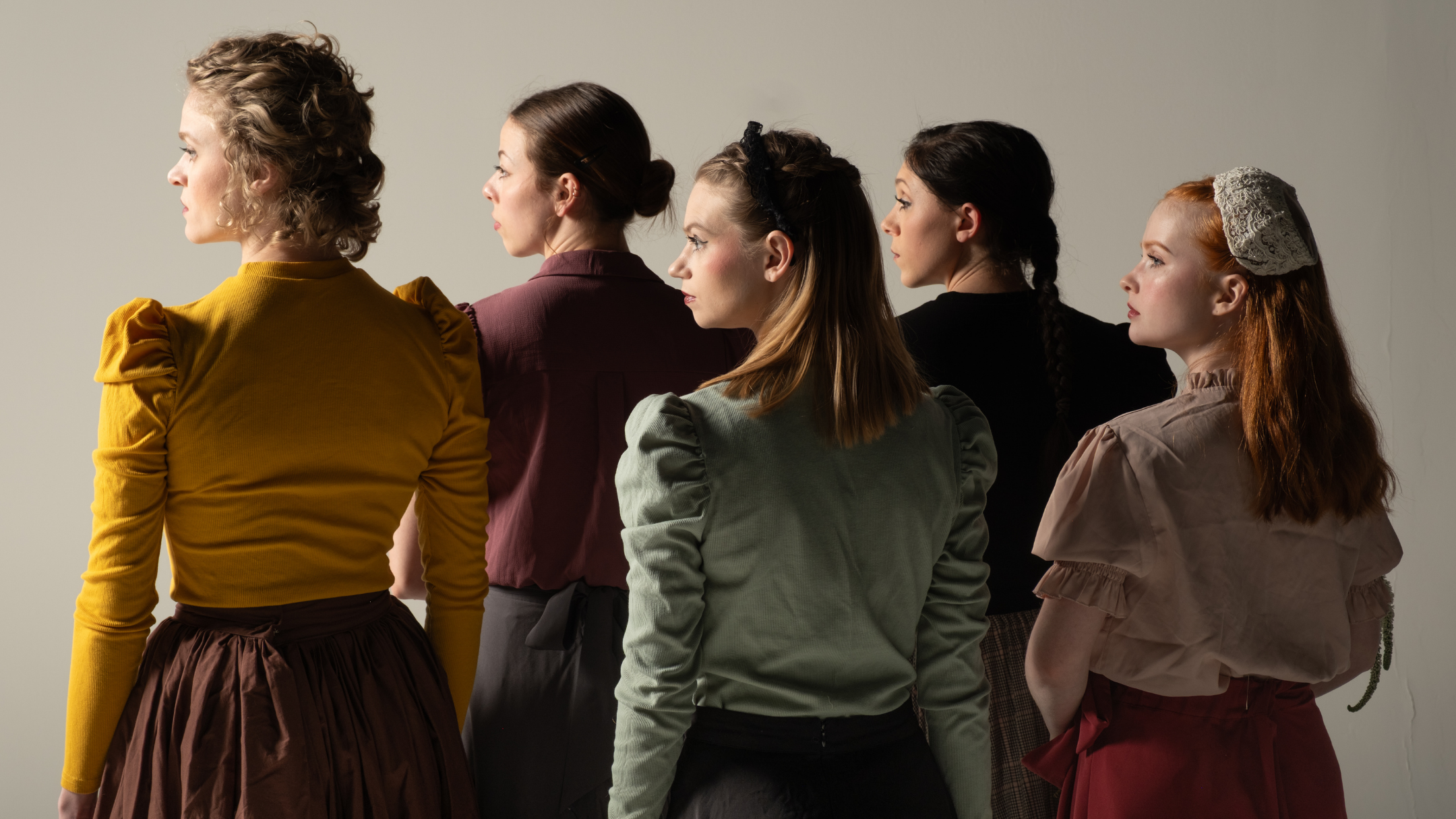
People We Meet on the Train. Dancers of Deos Contemporary Ballet. Photo by Dave Burgess.
People We Meet on the Train
World Premiere Ballet by Tess Sinke and Grace Sinke
At its heart, People We Meet on the Train is a work about humanity. Through movement, character, and the powerful use of color—and its absence—we invite audiences to encounter a diverse group of individuals as they make their way toward a train station. They are people of different ages, backgrounds, beliefs, and circumstances. Some are young, some old; some wealthy, some struggling. Each carry with them the unique details that define a life: treasured possessions, cherished relationships, personal dreams, fears, memories, and hopes for the future.
As the ballet unfolds, these distinct identities begin to erode. The characters are gradually stripped of the objects, colors, and markers that distinguish them as individuals. The vibrant world established at the beginning of the work slowly drains away until the stage itself becomes nearly devoid of color. Through this transformation, the ballet explores the systematic attempt to erase individuality and humanity.
Inspired by the experiences of those sent to concentration camps during the Holocaust, the work seeks to remind audiences that these were not anonymous figures in history. They were people with families, friends, lovers, passions, occupations, and aspirations. They lived rich and complex lives before persecution sought to reduce them to numbers and erase their identities.
In the final moments of the ballet, color returns. The belongings that once defined the characters—objects that carry memories, stories, and traces of their lives—begin to glow once more. Through this visual and emotional restoration, the ballet offers a powerful reminder that while evil may attempt to strip away humanity, it cannot fully extinguish it. By telling these stories through art, we honor those lives, preserve their individuality, and ensure that their humanity continues to be seen, remembered, and celebrated.
People We Meet on the Train is both an act of remembrance and a celebration of the resilience of the human spirit—a tribute to lives lived, lives lost, and the enduring power of memory.
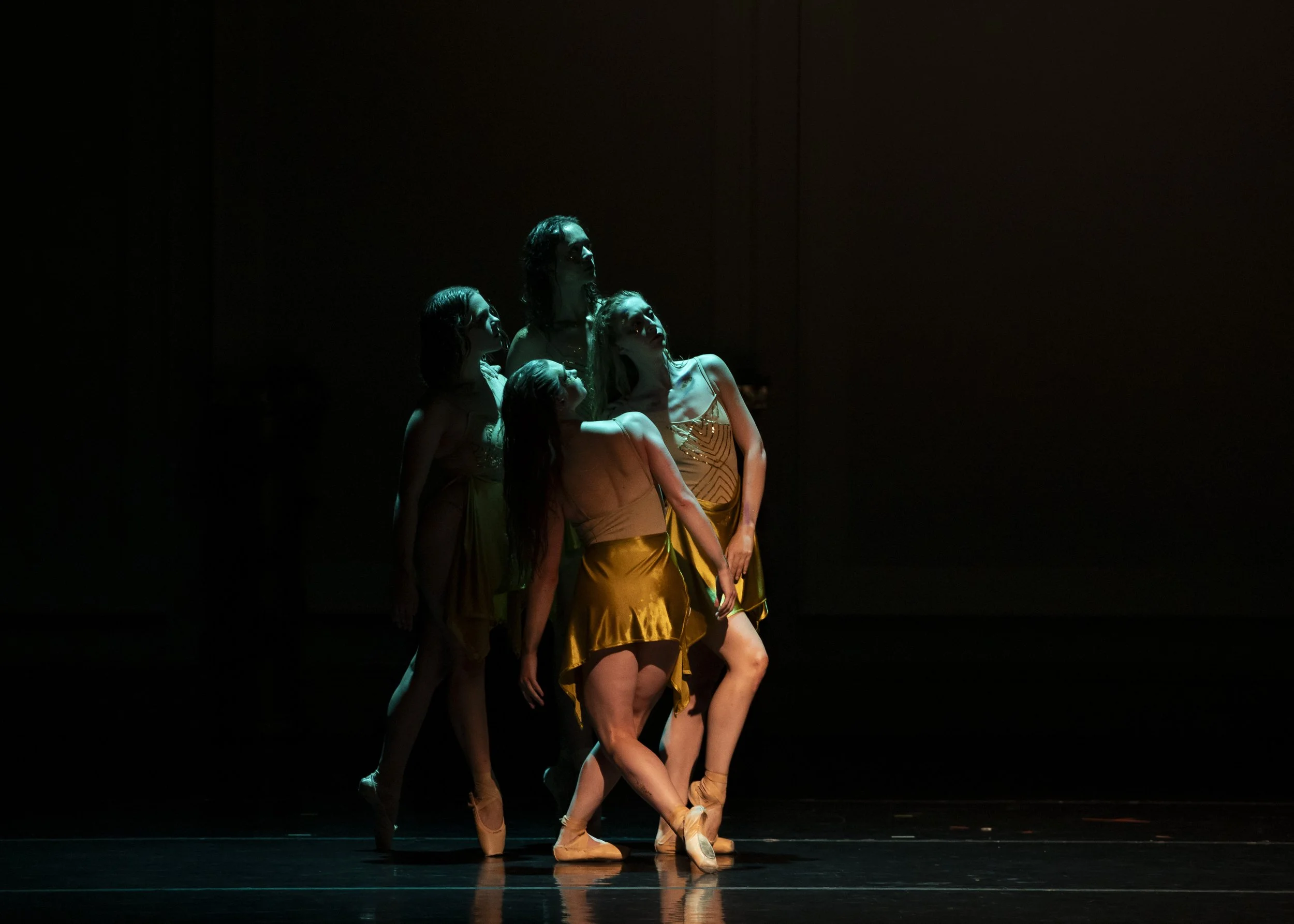
Water Serpents. Choreography by Tess Sinke. Dancers of Deos Contemporary Ballet. Photo by Ray Nard Imagemaker
The Greek Myths
New Ballet by Christine Settembrino
The Greek Myths is a contemporary ballet retelling of the stories of Echo and Narcissus, Orpheus and Eurydice, Athena and Arachne, Sisyphus, and Pandora’s Box. The ballet originally premiered on the St. Louis Ballet in June 2026. As we explore these tales of old, we find themes of love, loss, hubris, and hope that connect humanity to the gods and the world around them.
Each of these five iconic Greek myths unfold in a movement of the ballet, journeying through the triumphs and tragedies of gods and mortals alike. Echo is cursed to only repeat the words of others after aiding Zeus's deception, then falls hopelessly in love with the vain Narcissus, whose rejection leads to his own destruction. Sisyphus repeatedly outwits death itself, only to be condemned by the gods to eternally push a boulder up a hill. The gifted weaver Arachne dares to challenge Athena, and when her skill rivals that of the goddess, she is transformed into a spider for her pride.
In the Underworld, Orpheus risks everything to reclaim his beloved Eurydice, but one fateful glance back costs him her forever. Meanwhile, Pandora, unable to resist her curiosity, opens a forbidden jar and unleashes suffering upon the world before discovering that hope still remains within.
Meet the Dancers






Frequently Asked Questions
-
Deos Contemporary Ballet’s very first production, “An Evening of Brahms,” captivated audiences in the summer of 2018. Since then, every summer we’ve brought elite professional dancers from across the country to our rehearsal studios in Grand Rapids for a high-intensity, quick turnaround rehearsal process to bring an exciting new production to the stage. Coined “Collide”, this series comes back every summer to challenge the status quo and bring fresh stories and perspectives to ballet.
-
Yes! Even though the production shares a name each summer, every COLLIDE Series is a brand-new experience. If you loved COLLIDE last year, you’ll probably love it again this year — but it’s an entirely new show!
-
Absolutely. At Deos, we work to put on productions that feel relatable to a modern audience. If you’ve been apprehensive to go to the ballet because you’re expecting to see The Nutcracker or Swan Lake, this show is for you! And if you’re a natural ballet lover, you’ll see what you love in a new light.